

Welcome to Moorestown Smile Center

Jaw & TMJ Treatment in Moorestown, NJ Non-Surgical Relief from Pain, Clicking & Grinding

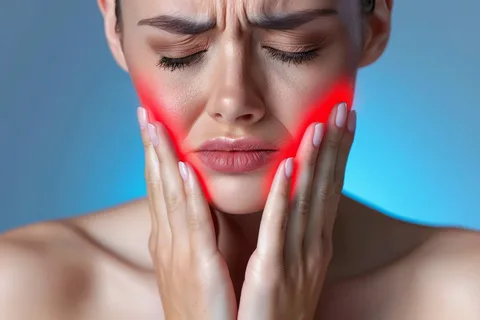
Wake up with jaw pain or headaches? Notice clicking or popping when you chew? Dr. Aliya Khan, DMD provides comprehensive, non-surgical TMJ treatment including custom-fitted nightguards helping patients across Moorestown and Burlington County find lasting relief.

Non-Surgical

Conservative treatment first
Custom Nightguards

Precisely fitted to your bite

Comprehensive Exam

Jaw, bite & muscle assessment

Coordinated Care

Referrals when needed
What is TMJ disorder?

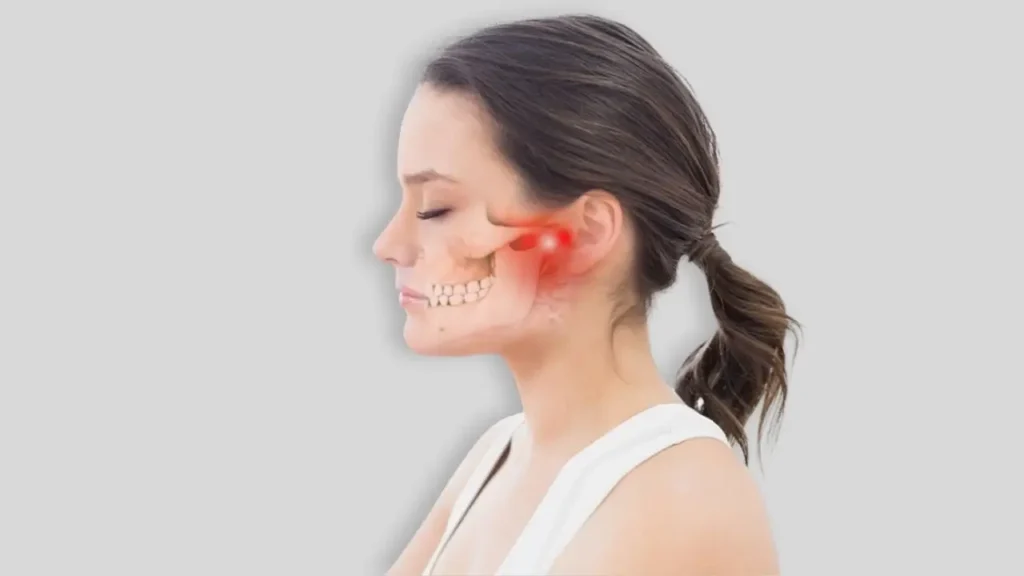
TMJ disorder (or TMD) affects the temporomandibular joints the small joints that connect your jawbone to your skull. Symptoms include jaw pain, clicking or popping, headaches, ear pain, and difficulty chewing. Most cases can be effectively treated non-surgically with custom nightguards and bite therapy at Moorestown Smile Center.

Understanding TMJ Disorder

Your temporomandibular joint (TMJ) is one of the most complex and heavily used joints in your body. Every time you speak, chew, yawn, or swallow, these two small joints on either side of your jaw quietly do their work. When something disrupts their balance misalignment, muscle tension, teeth grinding, or joint inflammation the result can be persistent pain that affects nearly every part of your day.

TMJ disorder is more common than most people realize. At Moorestown Smile Center, Dr. Aliya Khan takes a conservative, non-surgical approach that resolves symptoms for the vast majority of patients within weeks. Our goal is always to treat the root cause not just mask the pain.

Americans affected by TMJ disorder

According to the National Institute of Dental and Craniofacial Research, TMJ disorder affects more than 10 million Americans -- and most cases respond well to non-surgical, dentist-led care.

Signs You May Have TMJ Disorder

TMJ symptoms can range from mild and intermittent to severe and constant. They often affect areas you might not immediately connect with your jaw like your ears, temples, or neck. Common signs include:

Jaw pain or tenderness, especially when chewing or waking up

Clicking, popping, or grinding sounds when opening or closing your mouth

Frequent morning headaches or tension around the temples

Ear pain, ringing, or a feeling of fullness with no infection

Jaw locking or catching when opening wide

Facial pain, neck stiffness, or shoulder tension

Worn, flattened, or chipped teeth from grinding (bruxism)

Difficulty fully opening or closing your mouth

If any of these sound familiar, book a TMJ evaluation at (856) 638-5266. Most patients begin experiencing relief within weeks of starting treatment.

What Causes TMJ Disorder?

TMJ disorder rarely has a single cause it usually results from a combination of factors that compound over time. Identifying the underlying causes is key to effective long-term treatment.

Teeth Grinding & Clenching

Bruxism (often during sleep) puts sustained pressure on the jaw joints and wears down teeth. This is the most common cause we treat.

Bite Misalignment

When upper and lower teeth do not meet correctly, the jaw compensates with strain often causing muscle fatigue and joint pain.

Stress & Tension

Emotional stress commonly manifests as jaw clenching and muscle tightness, often without conscious awareness.

Injury or Trauma

A blow to the jaw, whiplash, or dental trauma can damage the joint or the disc that cushions it.

Joint Arthritis

Osteoarthritis or rheumatoid arthritis affecting the jaw joint can cause inflammation, pain, and reduced mobility.

Posture & Habits

Forward head posture, chewing gum constantly, or resting your chin on your hand can all contribute to jaw strain.

Treatment Options at Moorestown Smile Center

Dr. Khan starts with the least invasive approach and escalates only when necessary. The vast majority of TMJ cases resolve with conservative treatment alone — no surgery required.

Custom-Fitted Nightguards (Occlusal Splints)

The single most effective non-surgical treatment for TMJ pain and teeth grinding. A custom nightguard is precisely fitted to your teeth and bite providing a stable, cushioned platform that lets your jaw muscles relax during sleep. Unlike bulky store-bought versions, custom nightguards from Moorestown Smile Center are thin, comfortable, and designed to be worn all night without notice.

Bite Adjustments & Occlusal Therapy

When TMJ symptoms are driven by an uneven bite, Dr. Khan can make minor adjustments to the biting surfaces of your teeth. This distributes force evenly across the jaw and relieves stress on the joints. In some cases, orthodontic treatment like Invisalign may be recommended for more significant bite correction.

Lifestyle & Stress Management Guidance

Because stress is a major TMJ trigger, Dr. Khan discusses simple techniques to reduce jaw clenching during the day awareness cues, jaw relaxation exercises, dietary adjustments (avoiding gum and hard foods during flare-ups), and posture corrections.

Coordinated Referrals

For complex or severe cases, Dr. Khan coordinates care with trusted physical therapists, oral surgeons, or specialists. You stay with a team that already knows your dental history one unified plan, not scattered second opinions.

💡 Why custom nightguards work better than store-bought

Over-the-counter mouthguards are bulky, ill-fitting, and often make grinding worse by disrupting your natural bite. Custom nightguards from Moorestown Smile Center are precisely fitted using impressions or a digital scan of your teeth, and adjusted for optimal comfort. Most patients wear them every night for years without discomfort and many stop grinding entirely as their jaw muscles finally learn to relax.

What to Expect Your TMJ Evaluation

Your first visit is thorough but comfortable. Here is what happens step by step:

Symptom History

Dr. Khan asks about your symptoms when they started, what triggers them, whether they wake you up, and how they affect daily life. Bring notes if it helps you remember.

Physical Exam

Dr. Khan examines your jaw movement, listens for clicking or popping, checks for muscle tenderness, and evaluates how your teeth meet when biting. X-rays may be taken to assess joint structure.

Diagnosis & Treatment Plan

Dr. Khan explains what she finds, discusses the likely causes of your symptoms, and outlines a personalized treatment plan. You leave the consultation understanding exactly what will happen next.

Nightguard Fabrication & Fitting

If a nightguard is recommended, impressions or a digital scan are taken. Your custom nightguard is fabricated and delivered at a follow-up visit, where Dr. Khan adjusts it for a perfect fit.

Waking up with jaw pain or headaches in Moorestown? Book a TMJ evaluation.

At-Home TMJ Relief What You Can Do Right Now

While you wait for your appointment (or after starting treatment), these simple steps can significantly reduce jaw pain and prevent flare-ups:

Apply moist heat to your jaw for 15 to 20 minutes at a time to relax tight muscles and improve circulation

Eat soft foods during flare-ups yogurt, smoothies, scrambled eggs, mashed potatoes, soft pasta. Avoid gum, hard candy, tough meat, and crunchy snacks

Practice jaw relaxation rest your tongue gently on the roof of your mouth with teeth apart, lips together. Check your jaw throughout the day and consciously release tension

Take over-the-counter anti-inflammatories like ibuprofen as directed to reduce joint inflammation during acute pain

Fix your posture forward head posture puts constant strain on jaw muscles. Keep screens at eye level and avoid slouching

Manage stress brief daily practices like deep breathing, walking, or meditation reduce unconscious clenching more than most patients expect

⚠ When to seek immediate care

Call Moorestown Smile Center right away if you experience a sudden inability to open or close your mouth, severe unrelenting jaw pain, a significant change in how your teeth fit together, or facial swelling. These can indicate a serious issue requiring prompt evaluation.

Serving patients from across Burlington County and South Jersey:

Dr. Khan’s patients travel from across Burlington County and Camden County to Moorestown Smile Center at 740 Marne Hwy, Suite 106. The practice is conveniently located for families throughout:

Office Information

Address

740 Marne Hwy, Suite 106 Moorestown, NJ 08057

Phone

(856) 638-5266

Email

moorestownsmilecenter@gmail.com

Hours

Mon 9:00 am – 6:00 pm
Tue 7:00 am – 6:00 pm
Wed 9:00 am – 5:00 pm
Thu 9:00 am – 6:00 pm
Fri 8:00 am – 12:00 pm

Book With Dr. Khan

New patients from Moorestown, Cherry Hill, Mount Laurel, and Burlington County always welcome. Same-day appointments often available.

Insurance Accepted

Request an Appointment

We’re here to help you achieve a healthy, confident smile. Fill out the form, and we’ll get in touch with you shortly.


    Frequently Asked Questions About TMJ Treatment

    TMJ disorder (temporomandibular joint disorder, or TMD) is a condition affecting the joints connecting the jawbone to the skull. It causes symptoms like jaw pain, clicking or popping, headaches, ear pain, and difficulty chewing. Most cases can be treated non-surgically with custom nightguards and bite therapy.
    Yes. Dentists are often the first line of care for TMJ disorder because most cases are related to bite alignment, teeth grinding, or clenching. Dr. Khan provides comprehensive TMJ evaluations and non-surgical treatments including custom nightguards, bite adjustments, and coordinated referrals when specialist care is needed.
    A custom nightguard cushions the jaw during sleep, prevents teeth grinding (bruxism), reduces muscle tension, and allows the temporomandibular joints to rest. Most patients notice significant reduction in morning jaw pain and headaches within 2 to 4 weeks of consistent nightly use.
    No. Store-bought mouthguards are bulky, ill-fitting, and often make grinding worse by disrupting the bite. Custom nightguards from Moorestown Smile Center are precisely fitted to your teeth and bite, providing effective protection and lasting comfort most patients wear them all night without noticing.
    Many patients notice improvement within the first week of wearing their custom nightguard, with significant relief typically achieved in 2 to 4 weeks. Chronic TMJ symptoms that have persisted for years may take longer to fully resolve Dr. Khan will monitor progress at follow-up visits

    PATIENT EXPERIENCES

    What Our Patients Are Saying

    Scroll to Top