
Dental Sealants in Moorestown, NJ Simple, Painless Protection Against Cavities
Dental sealants are one of the most effective preventive treatments in dentistry a thin, protective coating painted onto the chewing surfaces of back teeth to block food and bacteria from causing cavities. Dr. Aliya Khan applies sealants for children, teens, and adults in a quick, comfortable, single-visit procedure with no drilling and no anesthesia.

No Drilling
Painless application

Minutes Per Tooth
Fast, single visit

Kids & Adults
All ages benefit

Prevents Cavities
Saves cost of fillings later
What are dental sealants?
Dental sealants are thin, tooth-colored coatings applied to the chewing surfaces of back teeth (molars and premolars). They fill deep grooves and pits where food particles and bacteria get trapped, dramatically reducing the risk of cavities. Application is quick, painless, and typically lasts 5 to 10 years.
Why Dental Sealants Matter
Even with excellent brushing and flossing, the back teeth are the most difficult to keep completely clean. The chewing surfaces of molars and premolars have deep grooves and pits that trap food and bacteria and toothbrush bristles simply cannot reach into them. This is why the vast majority of cavities in children and teens occur on these back teeth.
Dental sealants solve this by filling in those grooves with a smooth, protective coating. The result is a chewing surface that is dramatically easier to keep clean — and a cavity risk that drops significantly. At Moorestown Smile Center, we consider sealants a foundational part of preventive family dental care.
80%
Reduction in cavity risk on treated teeth
According to the CDC, dental sealants can prevent up to 80% of cavities in the back teeth during the first two years after application and continue providing substantial protection for years beyond.
Who Benefits from Dental Sealants?
Sealants are most commonly applied to children and teens, but adults with deep grooves or a history of cavities also benefit significantly. Here is how Dr. Khan evaluates candidates:
Children & Teens
The chewing surfaces of newly erupted permanent molars are especially vulnerable to decay. Sealing them early provides years of protection during the highest-risk period.
- Age 6: First permanent molars erupt
- Age 12: Second permanent molars erupt
- Best applied within a few months of eruption
- Often covered by dental insurance for children
Adults
Adults with deep pits and grooves, a history of cavities, or teeth that are difficult to keep clean are excellent candidates. Prevention is always more affordable than treatment.
- Molars with deep grooves
- History of recurring cavities
- Reduced saliva flow (dry mouth)
- Difficulty with detailed oral hygiene
When to Get Sealants Age Timeline for Children
TMJ disorder rarely has a single cause it usually results from a combination of factors that compound over time. Identifying the underlying causes is key to effective long-term treatment.
Best Ages for Sealant Application
💡 Timing tip for parents
The best time to apply sealants is within a few months of a permanent molar erupting before the tooth has had a chance to develop any decay. Dr. Khan checks for newly erupted molars at every child's routine cleaning and exam and will recommend sealing them at the right moment.
What to Expect The Sealant Procedure
Applying sealants is one of the fastest and most comfortable dental procedures available. The entire process takes just a few minutes per tooth, and children handle it easily. Here is what happens:

Cleaning the Tooth
The tooth is thoroughly cleaned and dried. A clean, dry surface is essential for the sealant to bond properly and last for years.

Applying the Etching Solution
A mild etching gel is applied to the chewing surface for a few seconds, then rinsed off. This slightly roughens the enamel so the sealant adheres securely. No drilling, no discomfort.

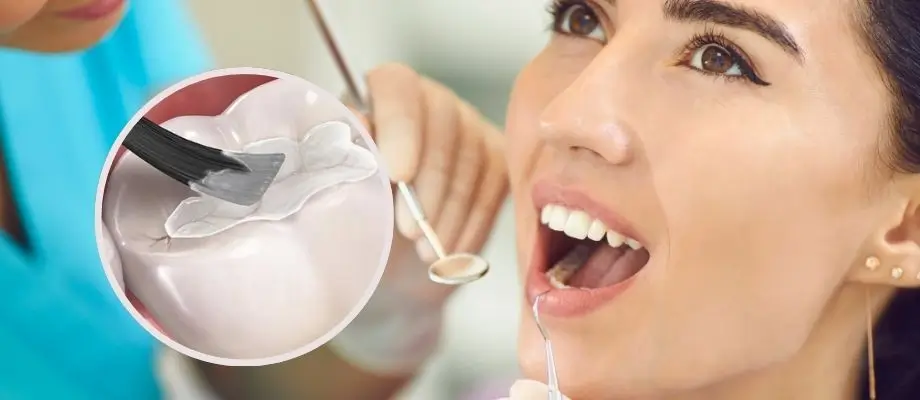
Painting on the Sealant
Dr. Khan paints the tooth-colored liquid sealant onto the chewing surface, carefully filling all the deep grooves and pits. It flows into every crevice a toothbrush cannot reach.

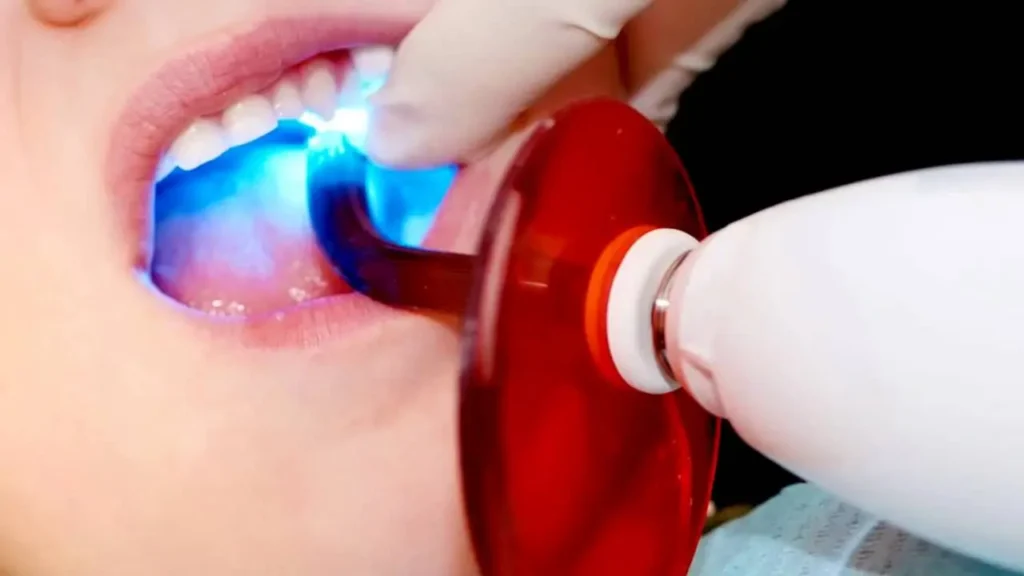
Hardening with Curing Light
A special blue curing light hardens the sealant in about 20 seconds. The bite is checked to ensure the sealant feels natural, and your child can eat and drink normally right away.
Ready to protect your child’s smile? Book a sealant visit in Moorestown.
Benefits of Dental Sealants
TMJ disorder rarely has a single cause it usually results from a combination of factors that compound over time. Identifying the underlying causes is key to effective long-term treatment.
Powerful Cavity Prevention
Sealants create a physical barrier that blocks food and bacteria from settling in the deep grooves of molars -- the site of most cavities in children and teens.
Saves Money Long-Term
A sealant costs a fraction of what a filling costs and prevents the need for one entirely. Prevention is always more affordable than treatment.
Fast & Comfortable
No drilling, no injections, no anesthesia. Even young children handle sealant application easily often finishing before they realize it has started.
Sealants vs. Fillings Prevention vs. Treatment
Sealants and dental fillings are often confused because both involve applying a tooth-colored material to the chewing surface. The difference is critical and it comes down to timing.
Factor
Dental Sealants
Dental Fillings
Purpose
Prevent cavities
Treat existing cavities
Applied when
Before decay starts
After decay has formed
Drilling required
None
Yes to remove decay
Anesthesia
Not needed
Usually required
Time per tooth
A few minutes
30-60 minutes
Cost
Significantly lower
Higher
Best for
Healthy back teeth at risk
Teeth with existing decay
Caring for Sealed Teeth
Sealants are durable, but taking a few simple steps ensures they last as long as possible and continue protecting the teeth beneath them:

Brush twice daily with a fluoride toothpaste sealants protect chewing surfaces but the sides of teeth still need regular cleaning
Floss daily sealants do not protect between teeth, where cavities can still form without proper flossing
Avoid biting hard objects ice, hard candy, or chewing pens can chip or dislodge a sealant
Attend cleanings and exams every six months Dr. Khan checks the condition of sealants at every visit and can reapply them if they have worn down
Limit sugary and acidic drinks sealants greatly reduce risk but cannot fully compensate for a diet that constantly bathes the teeth in sugar
Serving patients from across Burlington County and South Jersey:
Dr. Khan’s patients travel from across Burlington County and Camden County to Moorestown Smile Center at 740 Marne Hwy, Suite 106. The practice is conveniently located for families throughout:
Book With Dr. Khan
New patients from Moorestown, Cherry Hill, Mount Laurel, and Burlington County always welcome. Same-day appointments often available.
Insurance Accepted
- Aetna
- Cigna DPPO
- Delta Dental PPO
- MetLife
- GEHA
- Horizon
- United Concordia
- Careington
Request an Appointment
We’re here to help you achieve a healthy, confident smile. Fill out the form, and we’ll get in touch with you shortly.
Frequently Asked Questions About Dental Sealants
Dental sealants are thin, protective coatings made of tooth-colored resin that are applied to the chewing surfaces of back teeth (molars and premolars). They fill deep grooves and pits where food particles and bacteria get trapped, dramatically reducing the risk of cavities.
Children should get sealants as soon as their permanent molars erupt typically around age 6 for the first molars and age 12 for the second molars. This is when the risk of cavities is highest and when sealants provide the most benefit.
No. Applying dental sealants is completely painless. There is no drilling, no injections, and no anesthesia required. The entire process takes just a few minutes per tooth.
Dental sealants typically last 5 to 10 years with proper care, though many last significantly longer. Dr. Khan checks the condition of sealants at every routine cleaning and can reapply them when they wear down.
No. While sealants are most commonly applied to children and teens, adults with deep grooves in their back teeth or a history of cavities can also benefit significantly. Dr. Khan evaluates adult candidates at their routine check-up.
PATIENT EXPERIENCES
What Our Patients Are Saying
Trustindex verifies that the original source of the review is Google. Always a short wait time and personable service from the staff.Posted on GoogleTrustindex verifies that the original source of the review is Google. Everyone was so nice and professional!Posted on GoogleTrustindex verifies that the original source of the review is Google. Super friendly & helpful staff! Doctor was very informative and kind!Posted on GoogleTrustindex verifies that the original source of the review is Google. Highly recommend Nuvia, process was explained well, fantastic staff, very patient, take their time. Definitely the best direction to have permanent teeth.Posted on GoogleTrustindex verifies that the original source of the review is Google. Outstanding and professional service. Staff very courteous and pleasant.Posted on GoogleTrustindex verifies that the original source of the review is Google. Posted on GoogleTrustindex verifies that the original source of the review is Google. Moorestown smile Center, is run very professionally, everyone is caring and helpful.Posted on GoogleTrustindex verifies that the original source of the review is Google. Great office. Very professional and sweet. Dr. Kahn and her staff are kind and friendly.Posted on GoogleTrustindex verifies that the original source of the review is Google. Great.Posted on GoogleTrustindex verifies that the original source of the review is Google. Excellent service